Nano-influencers – creators with roughly 1,000-10,000 followers – have rapidly become the go-to strategy for many brands. In fact, around 75% of Instagram influencers today fall into the nano category, and a recent survey found that 46% of marketers now work with nano-influencers – more than any other influencer tier. Their appeal is clear: nano-influencers deliver exceptionally high engagement and authenticity at a fraction of the cost. For example, AspireIQ data show nano-influencers average about 3.7% engagement, more than twice the 1.6% seen by larger influencers. Other analyses similarly report nano accounts achieving 2.7% engagement versus 0.9% for megastar influencers. This high engagement stems from the personal connections nano-creators have with their tight-knit communities. In practice, a brand working with ten nano-influencers (say $500 each) can get triple the engagement of a $10,000 macro-influencer campaign. These metrics - engagement, authenticity, and ROI – help explain why nano-influencers are dominating modern marketing budgets and strategies.
Key Advantages of Nano-Influencers
-
Higher Engagement: By focusing on niche communities, nano-influencers spark more conversations and interactions. AspireIQ reports nano-creators achieve about 3.69% engagement on average, roughly double the rate of large influencers. Similarly, case studies show nano tiers outperform larger accounts by 50–100% on likes, comments and shares. In practice, followers of a nano-creator “see them as a friend,” not a celebrity, and eagerly comment or act on their posts. The result is consistently higher engagement per post.
-
Greater Authenticity & Trust: Nano-influencers tend to share unscripted, personal content about products they genuinely use. Their audiences view recommendations as honest advice rather than polished ads. For example, AspireIQ notes that because nanos rarely post sponsored content, any brand mention feels “more sincere” – like a friend’s tip. Sprout Social research finds that 67% of consumers say the best influencer partnerships are those that feel authentic. This authenticity translates to trust: one study reports 63% of shoppers are more likely to buy when a trusted influencer recommends a product. In short, nano-influencers’ close relationships with followers make them highly credible endorsers.
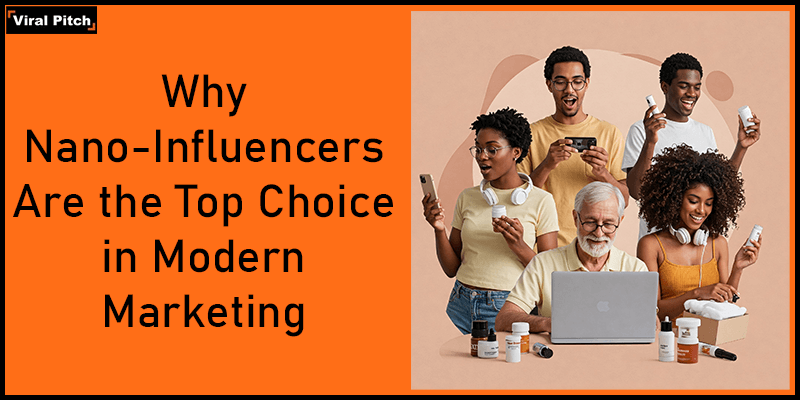
Nano-influencers create authentic, relatable content (e.g. personal product unboxings) that feels like a friend’s recommendation.
-
Cost-Effectiveness & ROI: Working with nano-influencers is far cheaper than hiring big stars. Typical rates for nanos are in the hundreds of dollars per post; for example, one analysis cites roughly $10–$100 for an Instagram post or $20–$200 for a YouTube video. By contrast, celebrity influencers often charge $10,000 or more per post. This low cost means a brand can partner with multiple nanos for the price of one macro. Not only does this diversify reach, but it also boosts ROI: a 2023 AspireIQ survey found campaigns with nano/micro-influencers delivered 60% higher ROI than campaigns focused on larger influencers. And because nano accounts are more engaged, the cost-per-engagement is very low. As one marketing blog explains, ten nano-influencers at $500 each can achieve triple the engagement of a single $10,000 macro post. For companies with tight budgets, nanos offer a big bang for the buck.
-
Niche Targeting: Nano-influencers typically build followings around very specific interests or local communities. A nano creator might specialize in sensitive skincare, vegan recipes, or DIY crafts. This means brands can target audiences with laser focus. Rather than casting a broad net, a brand finds content creators who speak directly to its ideal customers. The result is not only engaged eyeballs but also higher conversion potential: niche followers are already passionate about the topic, so they’re more likely to act on product recommendations. Indeed, brands that align nano-influencers’ niche expertise with their market often see stronger campaign performance than with general celebrity ads.
Debunking Common Misconceptions
-
Myth – “Nanos Can’t Reach Many People.” It’s true an individual nano-influencer has fewer followers, but brands can partner with dozens of them to multiply reach. In fact, influencer surveys show 44% of brands prefer working with nano-influencers over larger tiers. While a big influencer’s single post might reach millions, the combined reach of many nanos can exceed it, plus the audience is more engaged. Moreover, data suggest brands get better ROI by mixing strategies. For example, Shopify reports large influencers yield modestly higher raw ROI (about 9% more) due to sheer reach, but marketers offset this by leveraging nanos’ high conversion and low cost. In practice, many companies adopt a tiered approach: using select macros for broad awareness and dozens of nanos for authentic engagement and conversions.
-
Myth – “Nano Content is Amateurish.” Some worry nano-influencers are inexperienced. In reality, many produce high-quality user-generated content (UGC) that resonates precisely because it looks organic. Brands often repurpose this UGC in their own ads or social media, stretching their content budget. Moreover, nano-creators are usually eager to collaborate and improve; they’ll use free products and feedback to refine their messaging. When guided with clear briefs, nanos can deliver authentic, on-brand content that feels genuine. Over time, these creators often become loyal brand ambassadors who champion products repeatedly.
-
Myth – “Tracking Nano Campaigns is Difficult.” On the contrary, working with nanos can actually simplify measurement. Since campaigns involve many micro-posts, brands can track standard metrics (engagement, clicks, sales lift) across each and sum them. Tools and platforms (like AspireIQ, Upfluence, etc.) make it easy to identify top-performing posts or influencers and to compare CPM/CPA across different tiers. As a result, marketers can allocate budget dynamically – for example, reallocating spend from underperforming accounts to the most effective nanos. The upshot is that every dollar spent on nano-influencers can be tied to concrete engagement and sales metrics, often more transparently than a single celebrity ad.
Integrating Nano-Influencers into Your Strategy
Nano-influencers fit naturally into a modern, multi-tier marketing plan. Because they excel in engagement and trust, they are ideal for driving conversions, generating UGC, and supporting brand communities. Savvy brands often combine nano campaigns with larger influencer efforts: use macros or mid-tier creators to spark awareness at scale, while enlisting nanos for targeted push and authentic amplification. This “layered” strategy leverages each tier’s strengths.
To implement nanos effectively:
-
Set clear goals. Determine whether you want awareness, engagement, or sales. Nano-campaigns can be designed for any, but they truly shine when the goal is engagement and conversion from a specific niche.
-
Measure the right KPIs. Focus on engagement rate, click-throughs, and conversions rather than just vanity metrics. Because nano accounts yield high interaction, brands can often tie purchases directly to influencer posts (for example, via trackable links or promo codes).
-
Experiment and iterate. Start with a pilot campaign of a handful of nano-creators to test messaging and targeting. Use the data to refine which niches, platforms, or content styles perform best, then scale up by recruiting more creators in those segments.
-
Mix content types. Nano-influencers can create Instagram posts, Stories, TikTok videos, or YouTube reviews. Incorporating various formats maximizes exposure. For example, a few nanos doing unboxing videos or “how-to” posts can generate authentic testimonials, while others might host live Q&As or contests to engage their followers.
By weaving nano-influencers into the overall plan – alongside other tiers and channels – brands ensure they tap both broad audiences and deep, engaged communities. This balanced approach is what many decision-makers now consider best practice.
Finding and Collaborating with Nano-Influencers
Finding the right nano-creators takes some strategy, but there are proven methods:
-
Leverage Social Search and Hashtags: Search Instagram, TikTok, or YouTube for niche keywords and community hashtags (e.g. #sustainablefashion, #homebaking). Browsing trending tags and “Explore” pages often surfaces nano-influencers already talking about relevant topics. Location tags and local community groups can also reveal micro-local influencers.
-
Turn Customers into Creators: Your existing fans may already be posting about your products. Scan customer comments, photos, or tagged posts to identify enthusiastic users. Loyal customers are often delighted to become nano-influencers for a brand they love.
-
Use Influencer Platforms or Agencies: Influencer marketing platforms (like AspireIQ, Upfluence, or GRIN) have searchable databases of nano-influencers filtered by niche, location, and engagement. Alternatively, specialized agencies manage nano/UGC campaigns end-to-end. These tools save time by handling discovery, outreach, and fraud detection.
-
Offer Product Samples and Fair Compensation: Approach nano-influencers with free products, samples, or small fees. According to marketing guidance, even a modest “gift card + post” deal can work when budgets are tight. Since nanos have high engagement rates, brands should consider paying per-post or per-performance (e.g. per sale) rather than by follower count.
-
Build Genuine Relationships: Treat nano-influencers as partners, not just vendors. Provide creative freedom, clear guidelines, and prompt feedback. Nano-creators are often eager to build long-term ties; nurturing them with ongoing support can turn one-off posts into continuous brand advocacy.
-
Track and Optimize: Use unique URLs or promo codes for each influencer to monitor traffic and conversions. Regularly review performance and re-engage top performers. Over time, your brand can assemble a core nano-influencer team that reliably delivers content and results.
Following these steps helps brands efficiently tap the nano-influencer pool. As the industry report notes, nano creators are plentiful (“no scarcity of nano influencers”), so systematic outreach and selection will yield a strong roster of authentic voices for your brand.
Conclusion
Nano-influencers have emerged as a powerful force in marketing. Fueled by their genuine relationships, high engagement, and cost efficiency, they are earning a growing share of influencer budgets and attention. For business leaders, the message is clear: incorporating nano-influencers can drive real ROI, whether the goal is brand awareness, trust-building, or sales. By combining nanos with larger influencers and following best practices for discovery and collaboration, brands can create a modern influencer strategy that leverages authenticity at scale. In an era of ad fatigue, these “everyday” creators can amplify your message in a way that resonates – making nano-influencers a top choice for savvy marketers in 2024 and beyond.